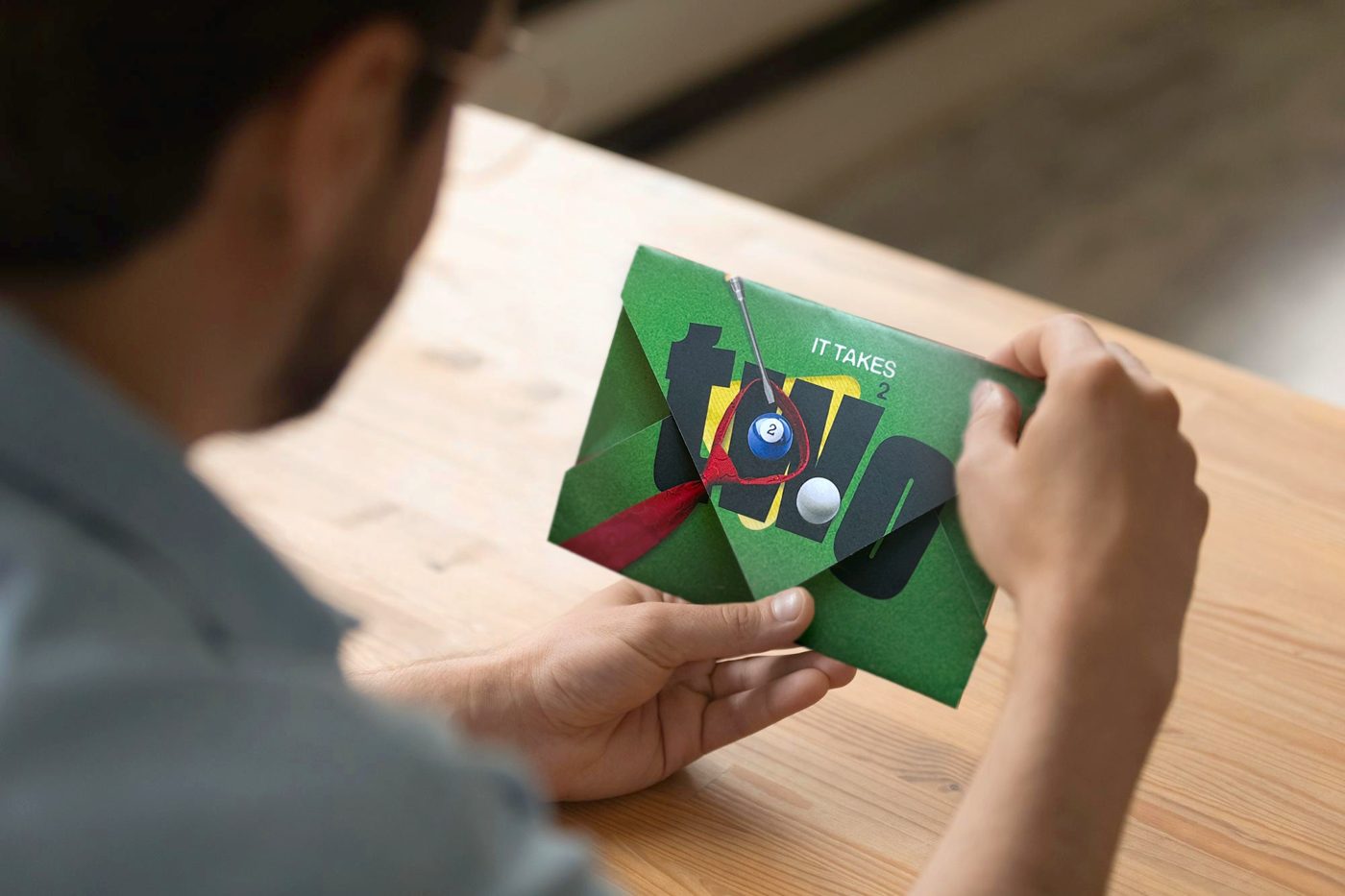
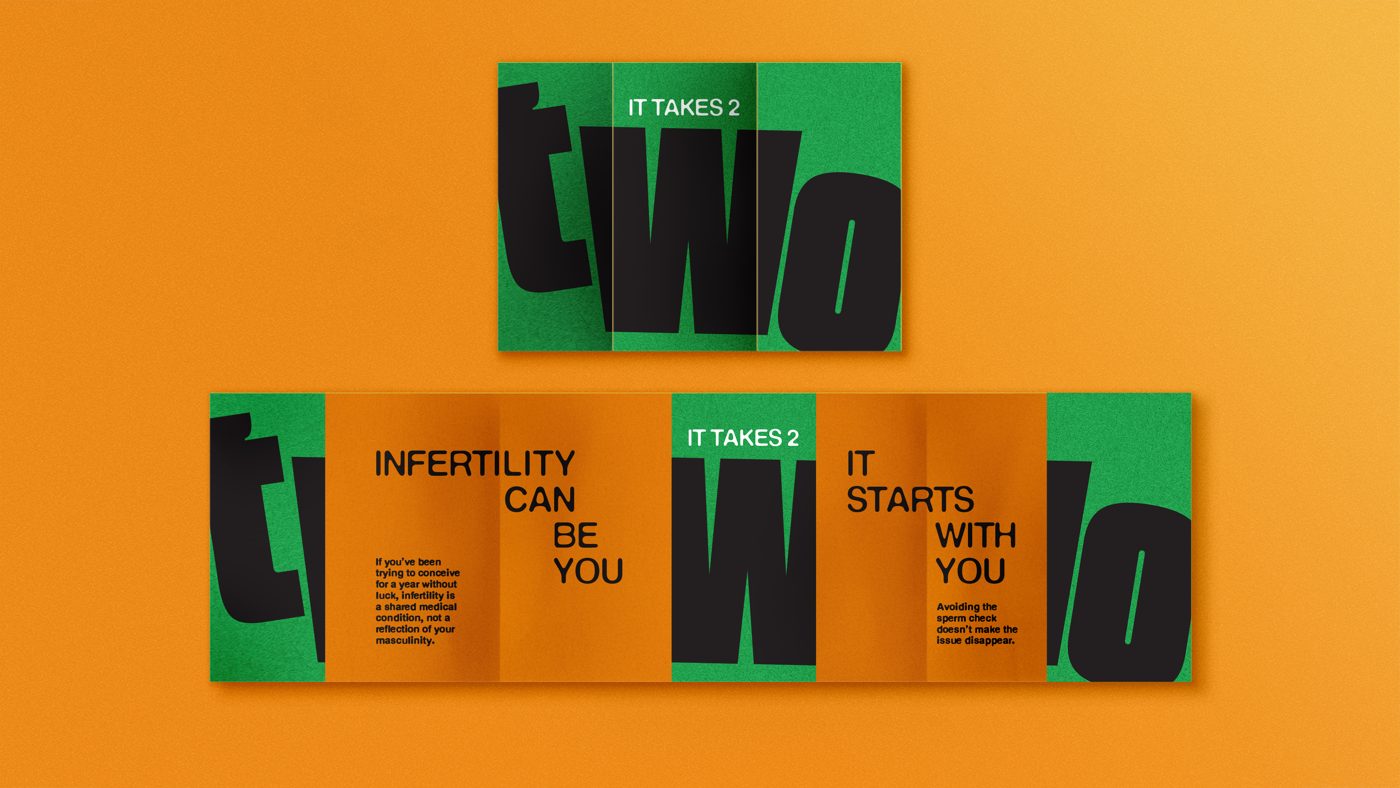
It Takes Two
How can communication design reduce men's avoidance of reproductive-health information without relying on shame or fear?
- Role
- Researcher and designer of the campaign (survey, expert consultation, prototypes, testing, outputs); the opening benchmark and state-of-the-art review was done with coursemates Dion Krasniqi and Viola Nobile; supervised by Joana Quental and Luís Ferreira
- Where
- University of Aveiro, Portugal, 2026
- Methods
- Evidence review; online mixed-method study; expert consultation; in-situ prototype testing; visual elicitation
- Participants
- 36 men resident in Portugal, recruited through Prolific; a sexologist; a clinical psychologist
what was done
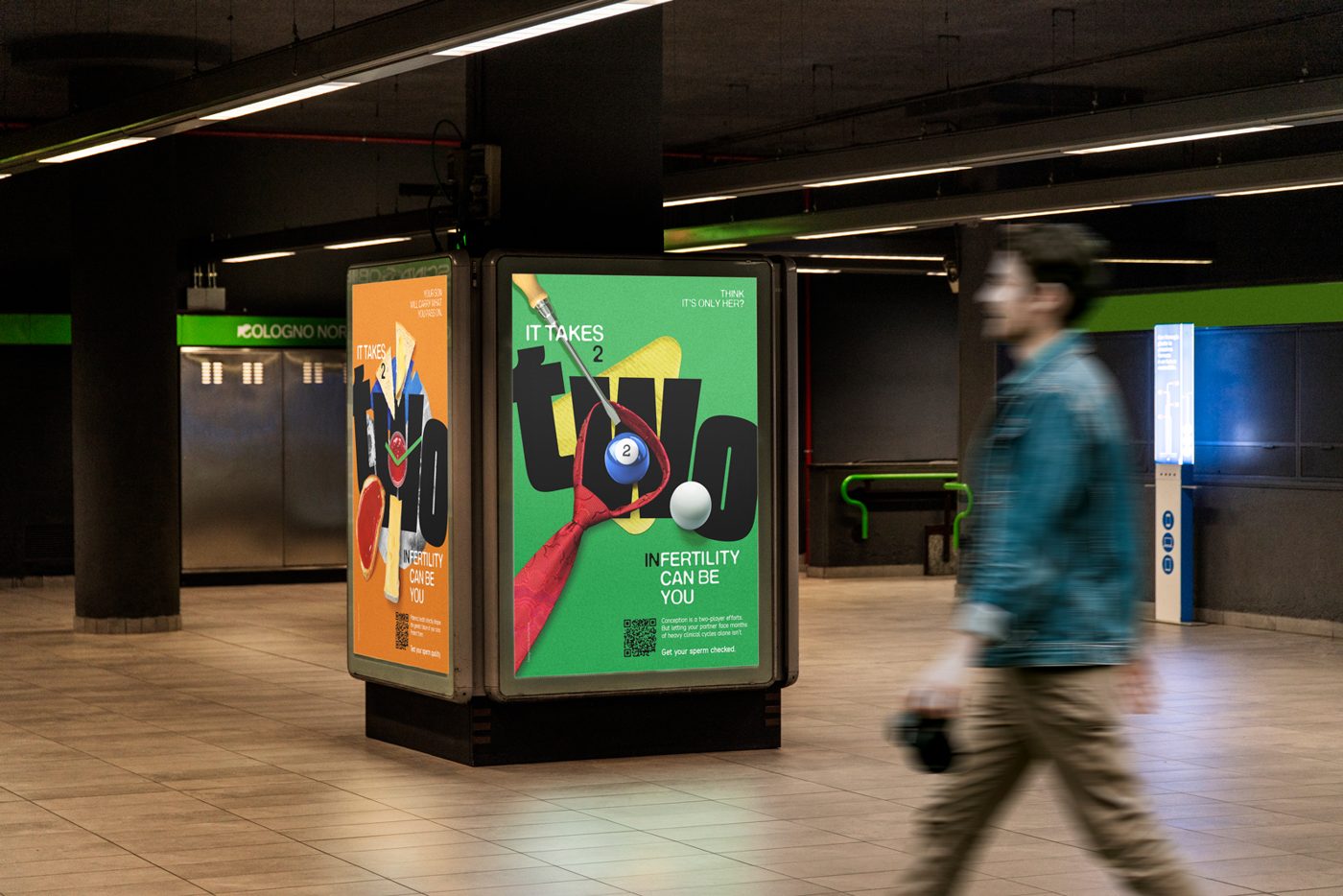
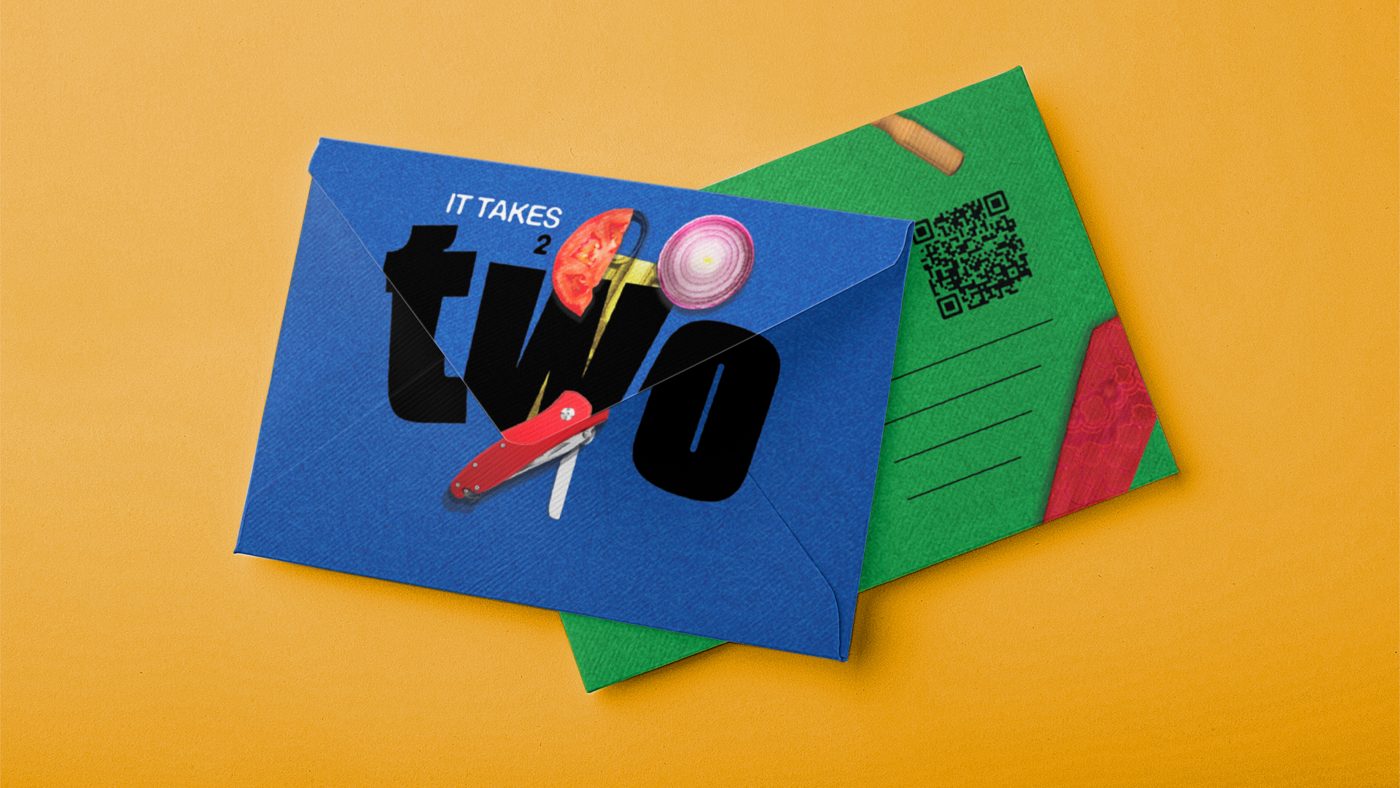
An evidence review, then a mixed-method online study combining structured responses with qualitative interpretation of open answers, visual concepts and language framing. Consultation with a sexologist and a clinical psychologist. In-situ testing of a public poster, a tactile leaflet and a privacy-sensitive clinical envelope for waiting rooms.
findings
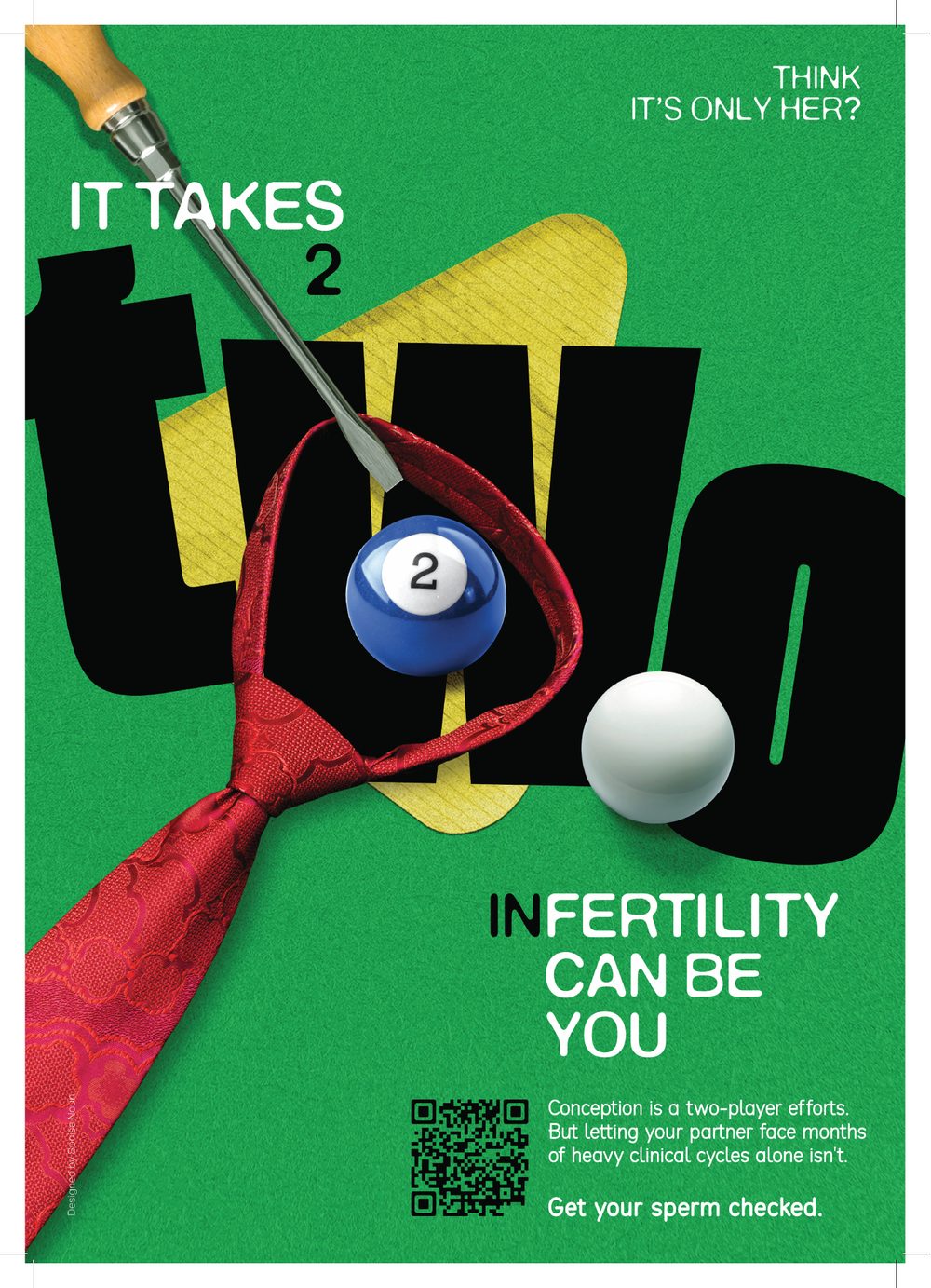
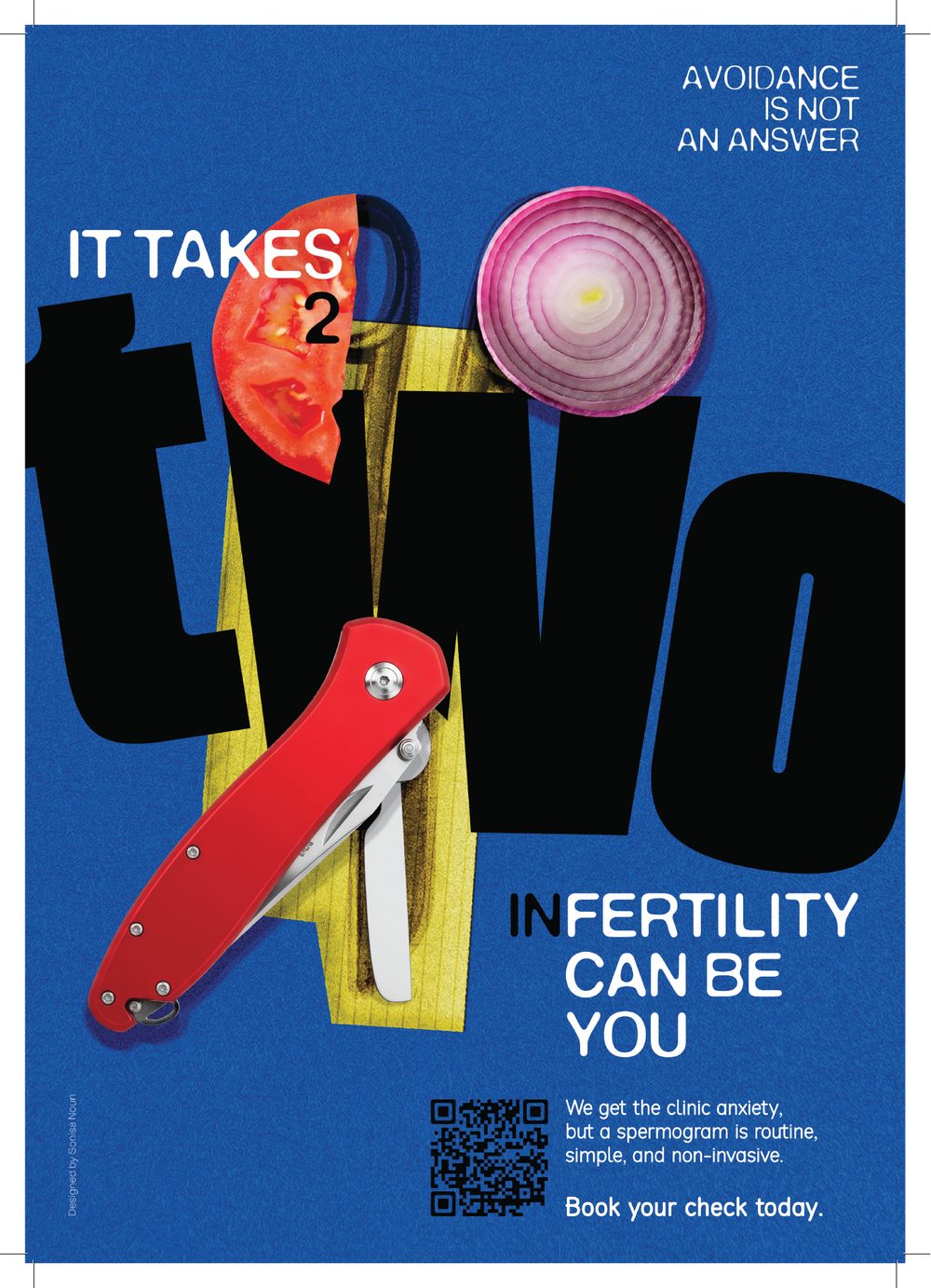
Social awkwardness ranked above cost, time and fear of results as the main barrier to testing; most participants preferred non-clinical wording. Clinical consultation flagged that the most popular phrase, "couple-centred", risked men deflecting responsibility, and the wording was revised to a direct, agency-based framing. The campaign uses pareidolia: everyday objects read as anatomy a beat before the message lands. Presented at a University of Aveiro research seminar; poster peer reviewed and published in the DRIVE 2026 book of posters, and presented online, 15 October 2026.