SonisaNoun
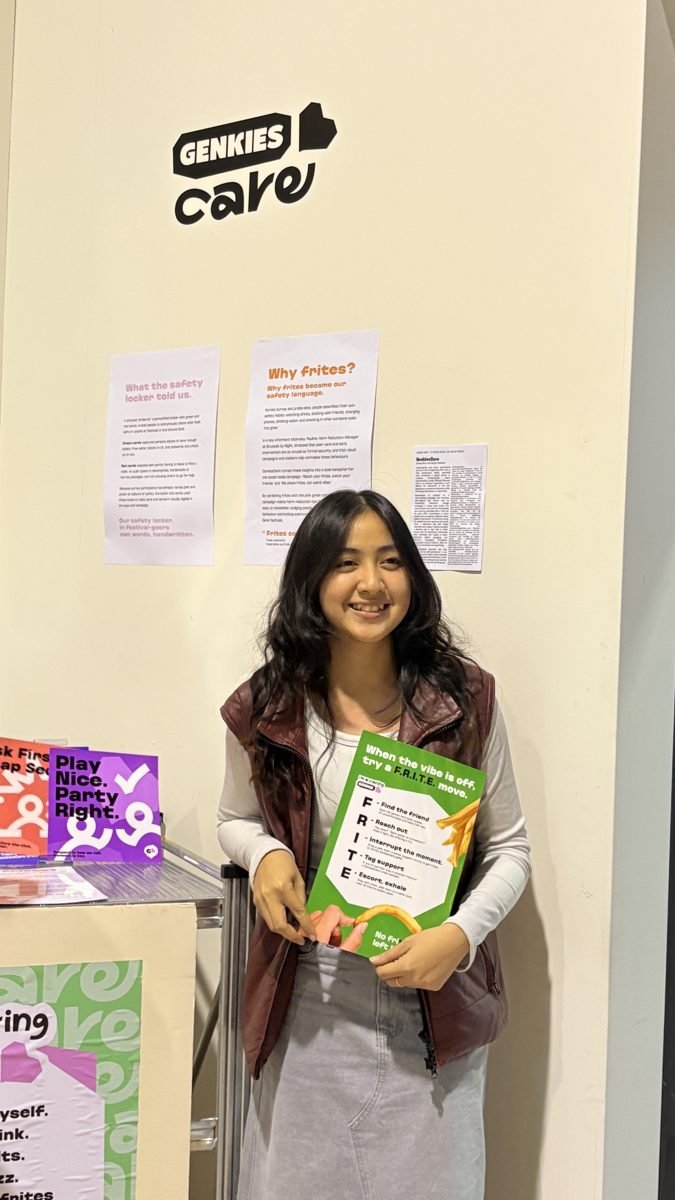
Arts-based design researcher · Design anthropologist Research portfolio. Creative and participatory methods, drawing, body mapping, cultural probes, zines, co-design, applied to health, care and public life: women's health, festival safety, home nursing, sleep, disability, male fertility. Cambodian, based in Sheffield.
Scraps can be moved
Curriculum vitae
Arts-based design researcher and design anthropologist. MFA candidate on the Erasmus Mundus Joint Master in Design and Health Care (2025–27) after seven years of advertising art direction in Phnom Penh. Works with creative and participatory methods, drawing, body mapping, cultural probes, zines and co-design, across health, care and public life; two proceedings papers and a conference presentation in 2026.
Education
- Master of Fine Arts in Design and Health Care (Response_Able Futures)Erasmus Mundus Joint Master's Degree, EQF Level 7, 120 ECTS. LUCA School of Arts, Belgium; University of Aveiro, Portugal; Sheffield Hallam University, UK. September 2025 to August 2027, in progress.
- Bachelor of Arts in Visual CommunicationPhnom Penh University of the Arts, Cambodia, 2016–2021.
Professional experience
- Senior Art DirectorHAVAS Champagne, Phnom Penh, June 2024 to August 2025. Integrated campaigns for regional and multinational clients across television, digital, print, activation and social media; directed cross-functional creative teams.
- Art Director, then Senior Art DirectorMSA (Marketing Solutions Asia), Phnom Penh, November 2019 to June 2024; Senior from January 2023. Clients included Pepsi, TikTok, Wing Bank and Heineken.
- Lecturer (part-time)Phnom Penh University of the Arts, January to June 2018. Taught drawing to trainee early-childhood educators.
- Creative DesignerEDGE Advertising; Digital Communication OfficerSociaven. 2017–2019.
Awards and bursaries
- Finalist, Women of the Future Awards Southeast Asia 2026Profession category, in association with NTT DATA.
- Erasmus Mundus Joint Master ScholarshipEuropean Education and Culture Executive Agency / European Union, 2025–2027.
- Conference bursary, International Creative Research Methods Conference, Manchester, September 2026.
- Phnom Penh Design Festival, featured panel artistCertificate of Appreciation, Phnom Penh University of the Arts, 18–19 October 2024.
Training
- Collaborative Research in Prey Lang: Experiences, Methods and OutputsCenter for Khmer Studies, August 2026.
- Selected CICADA representativeWPS Pillars and Policy Alignment training, SILAKA / The Asia Foundation AMPLIFY Programme, August 2026.
- Gender as a Cross-Cutting Tool for Understanding, Diagnosing and Solving ChallengesUniversitat Autònoma de Barcelona, July 2026.
- Applied Anthropology Network Mentorship (mentee)EASA Applied Anthropology Network, June 2026.
- Research Communication Lab: Mastering Academic Article WritingTaylor & Francis Group, May 2026.
- Beyond Self: Autoethnography and Post-Qualitative ResearchUniversity of Stavanger, spring 2026.
- ARC: Artistic Research CompetencesLusofonaX, March 2026.
- ASEAN-UK Advancing Creative Economy: Hybrid Creative Economy Policy Training ProgrammeBritish Council and UK Mission to ASEAN, June 2025.
Memberships and service
- EASA Applied Anthropology NetworkMember.
- Design History SocietyMember.
- CICADA, Creative Industries of Cambodia Association for Development and AdvocacyIndividual Member and Visual Arts Sector Representative. Represented CICADA at Creative Café, Mekong Forum 11th Edition, July 2025.
Languages
- KhmerNative.
- EnglishFull professional proficiency; CEFR C1 listening, reading and spoken interaction.
eight studies, 2025–26
Research
Eight studies, 2025–26, in Belgium, Portugal, Cambodia and online, all built on creative and participatory methods: drawing and body mapping, cultural probes, zines, co-design, systemic mapping and autoethnography. Three were commissioned by partners (Stad Genk and Genk on Stage; Wit-Gele Kruis; Sint Gerardus); two are published in peer-reviewed proceedings and one as a reviewed poster. Each opens on its own page.
- Fieldwork
- Genk and Diest, Belgium · Aveiro, Portugal · Phnom Penh, Cambodia · remote pilot across ten countries via Prolific
- Creative methods
- Participatory drawing and body mapping · cultural probes (the Safety Locker, meme boards, threadboards) · zine-making · co-design and rapid prototyping · systemic mapping · visual elicitation · autoethnography, sketching and Polaroid · alongside surveys, expert and clinical consultation and thematic analysis
- Participants
- Peers; women and men recruited through Prolific; practising clinicians; a sexologist and a clinical psychologist; a harm-reduction manager; municipal and festival staff; home-care nurses; university students; a special-education classroom and its carers
- Outputs
- Two proceedings papers, one reviewed poster, one conference presentation, one research-seminar presentation, a four-stage method, a festival safety and care campaign, a home-nursing toolkit, a wearable prototype, a co-designed zine, two published essays
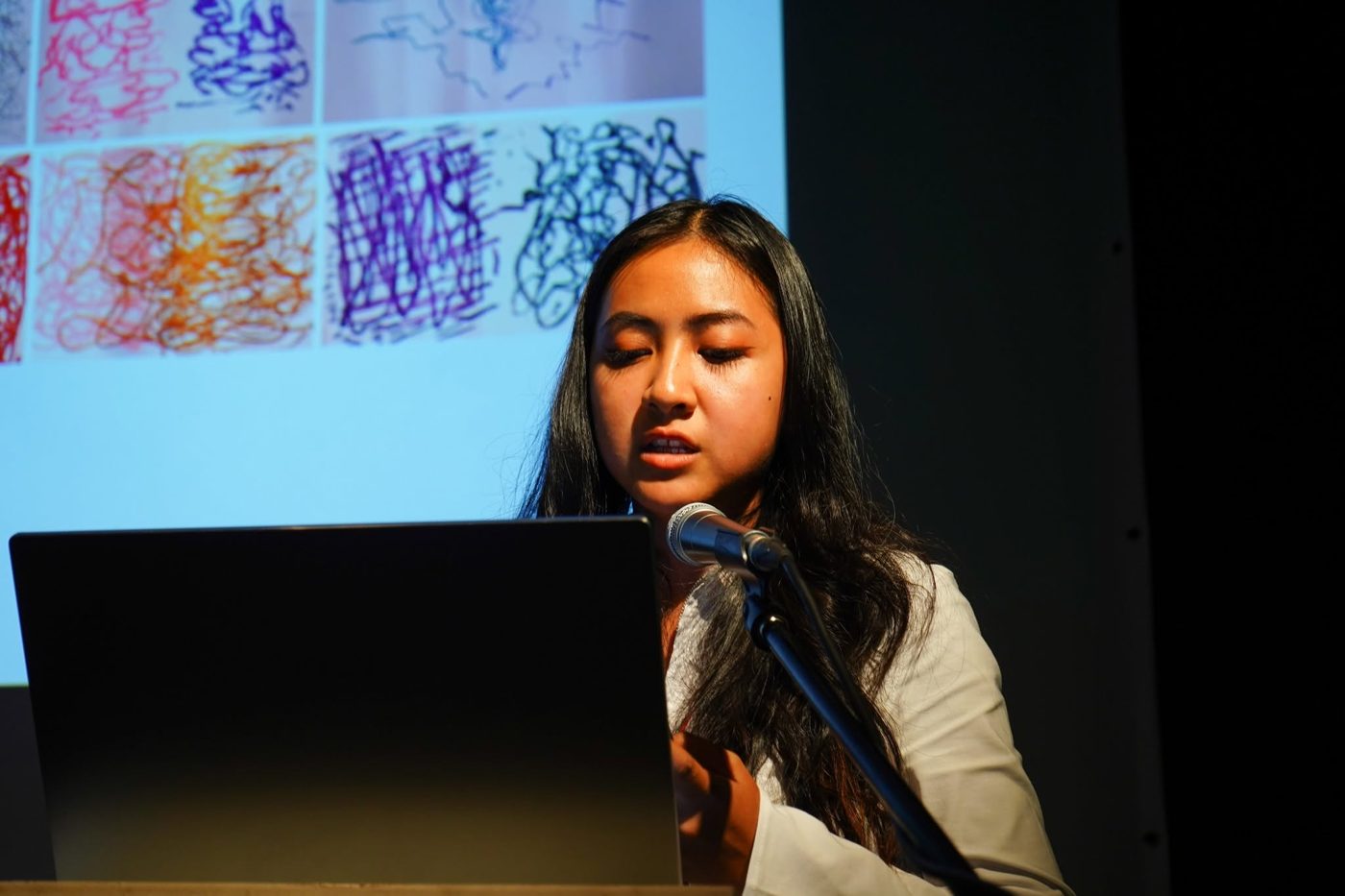 Study 01 · 2025–26Tracing the UnspokenEarly development of an analog drawing framework for women's health advocacy: can a time-bounded act of drawing by hand record what clinical documentation leaves out, and can peers and clinicians read it with care?open study ↗
 Study 02 · 2026It Takes TwoHow can communication design reduce men's avoidance of reproductive-health information without relying on shame or fear?open study ↗
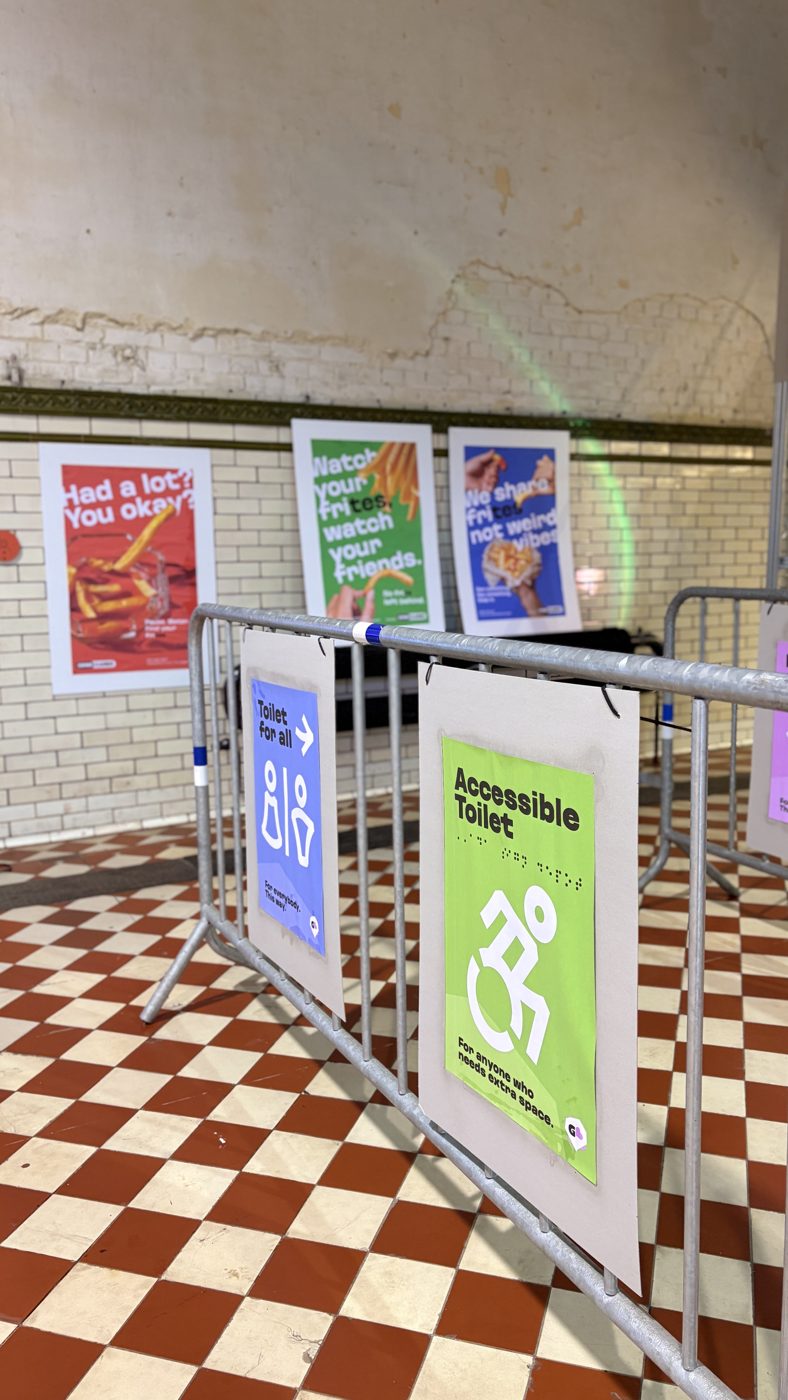 Study 03 · 2025Genkies CareA festival safety and care campaign for the city of Genk: what do festival-goers already do for each other, and how can a city campaign move from prohibition to peer care?open study ↗
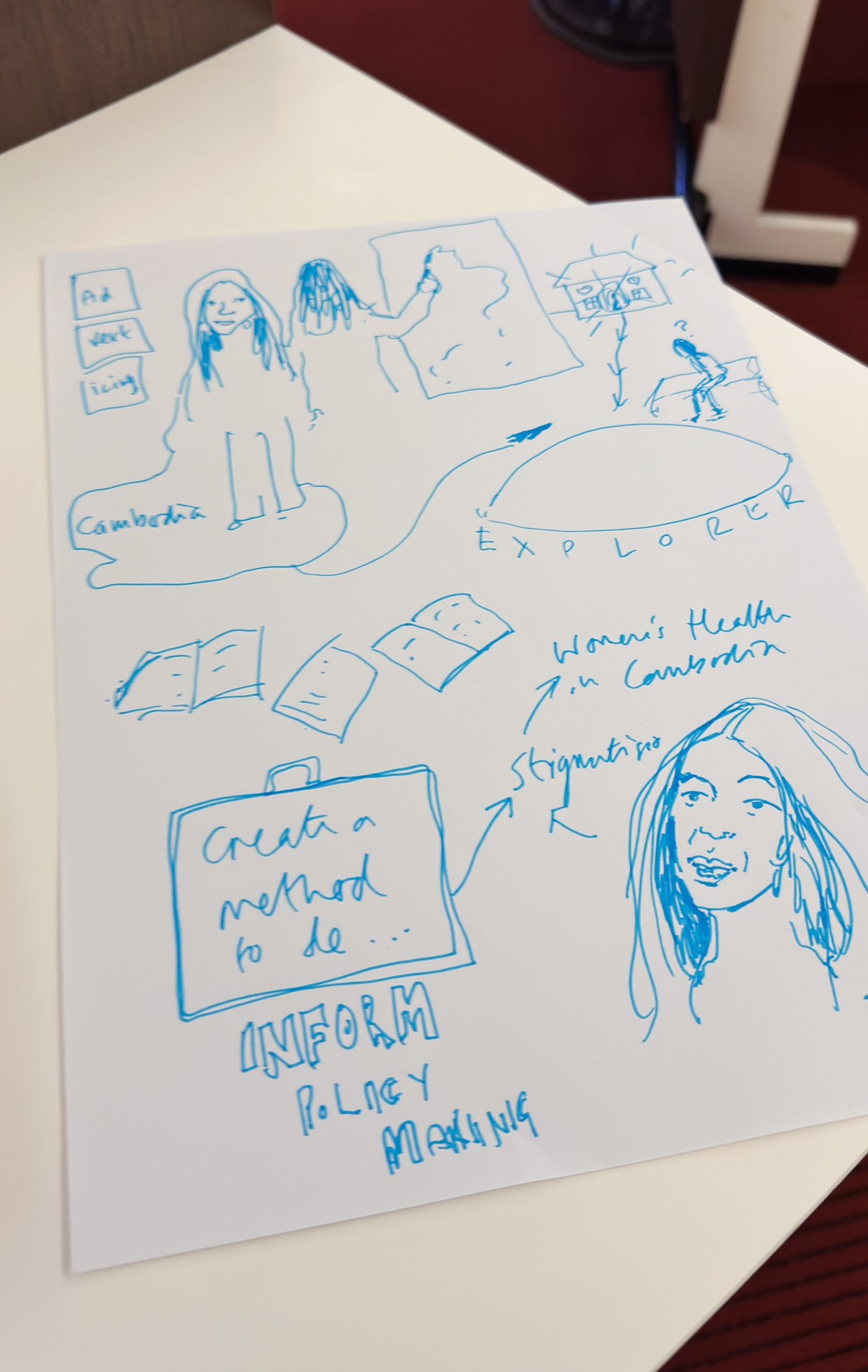 Study 04 · 2026Mapping What Systems Cannot SayA methodological hypothesis for decolonial systemic design in gender-based violence work in Cambodia.open study ↗
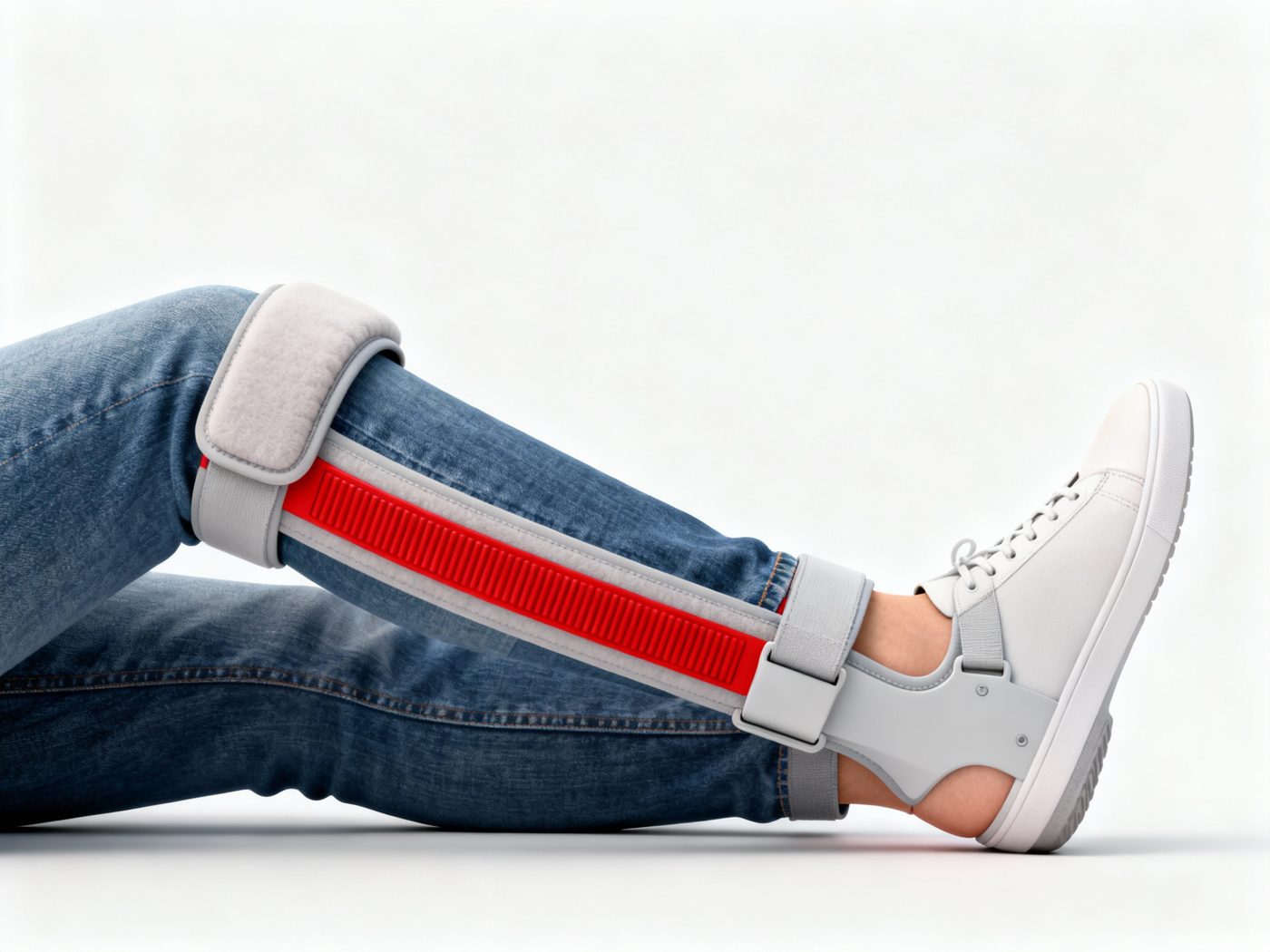 Study 05 · 2025Designing for OneA wearable leg-support strap for a non-verbal boy with profound intellectual and multiple disabilities, worn over everyday sneakers instead of heavy orthotic boots.open study ↗
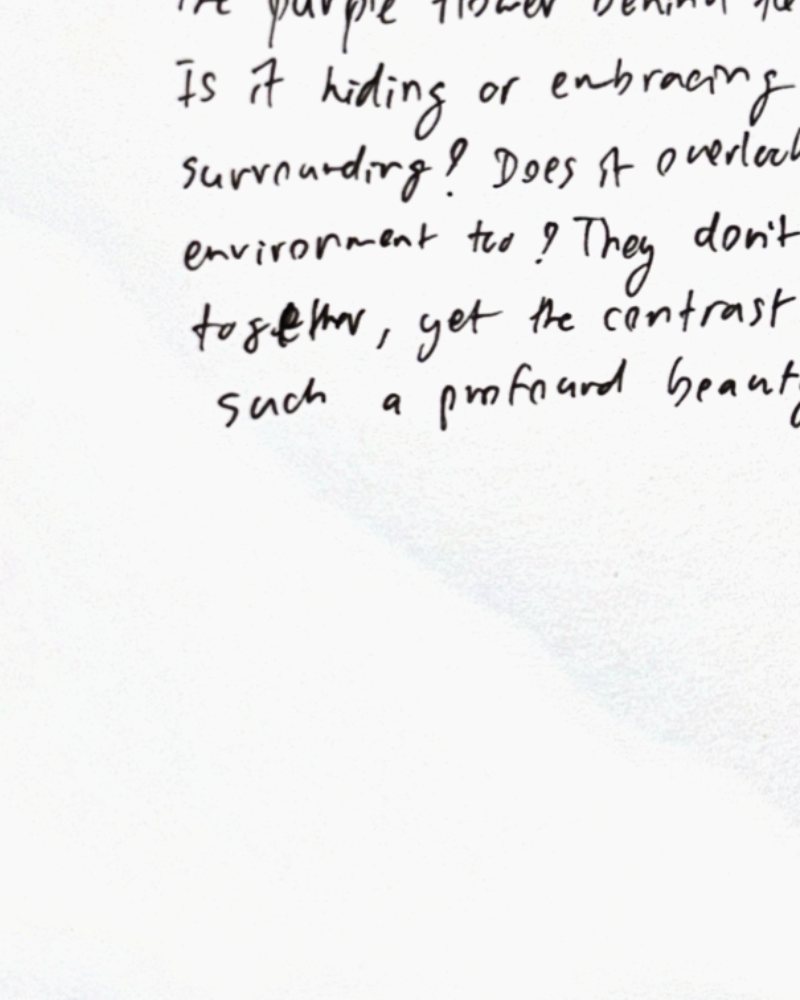 Study 06 · 2025–26Atlas of NoticingAn autoethnographic experiment in positionality: what a Cambodian designer trained in advertising notices in a Belgian town, recorded by sketching, photographing and journaling, and what that noticing does to her research practice.open study ↗
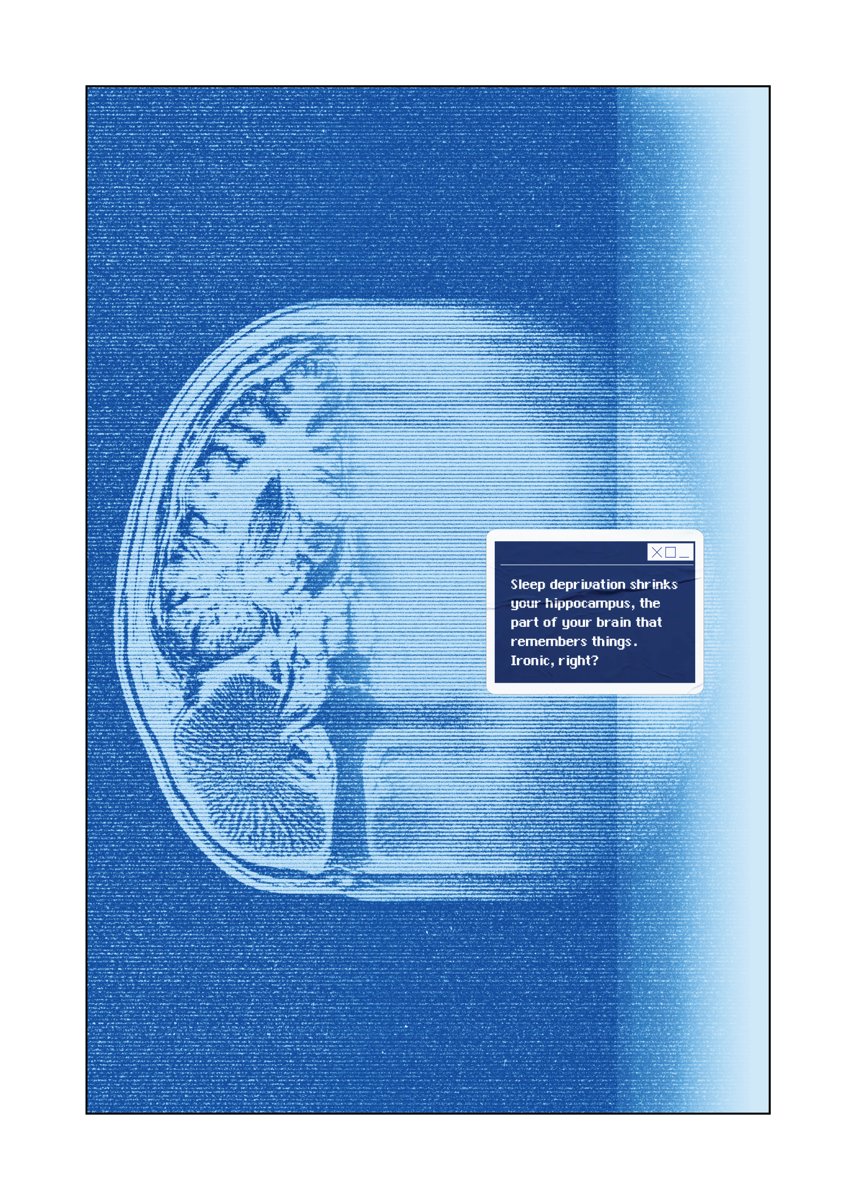 Study 07 · 2026Sleeping FairyHow might simple, crafted prototypes help university students map their personal sleep disruptors and reflect on their habits?open study ↗
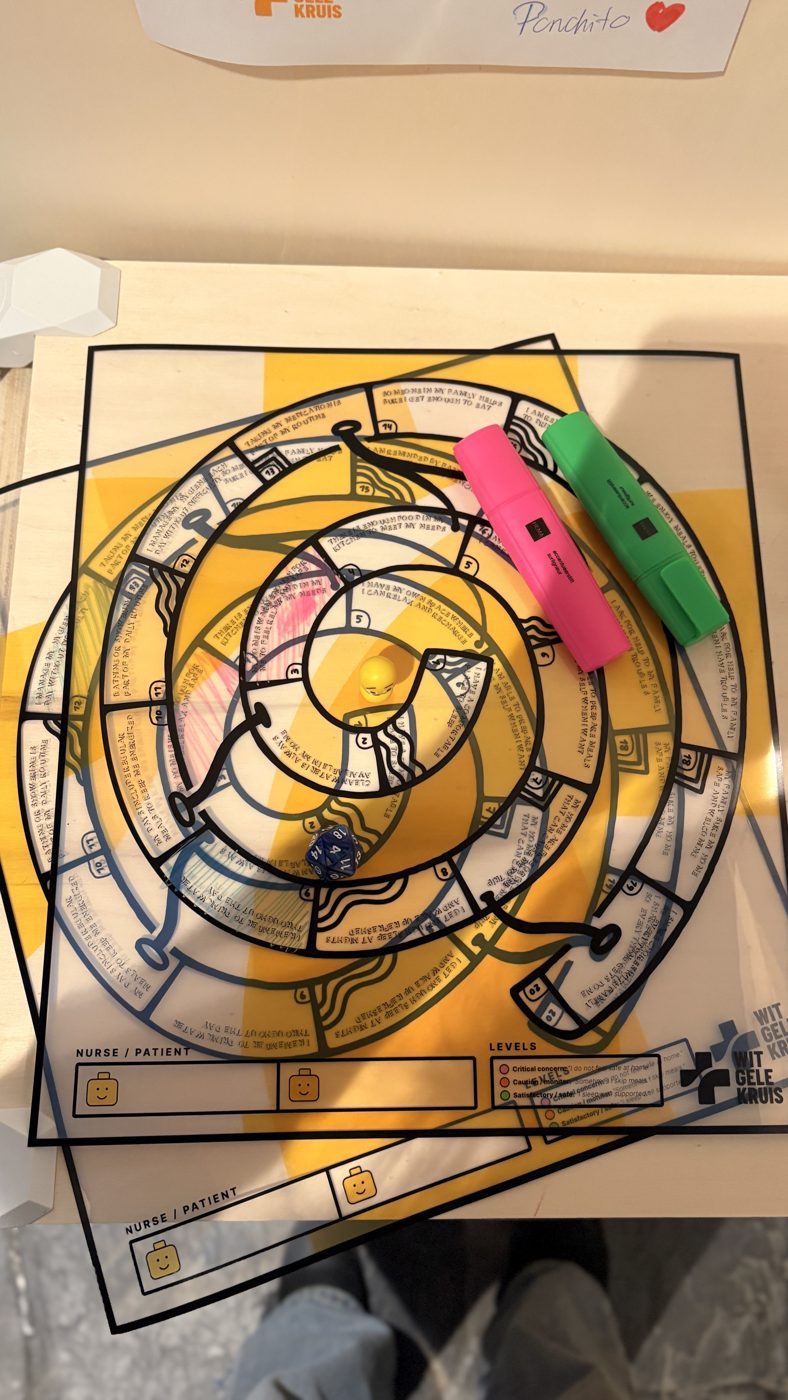 Study 08 · 2025Systemic Patient AgencyHow might we equip home-care nurses to create a care setting that enhances patients' agency for holistic welfare?open study ↗
what the form cannot hold
Graphic silences
A term from Drawing the Unspoken (Graphic Medicine Europe, 2026): the places where the design of a clinical document, an intake form, an information graphic or a service map, decides in advance what cannot be recorded. The research starts from those places and asks what a hand-drawn account can hold that the form does not.
Intake · women's health
constructed example, no patient
Filed · not readthe margins, in red ink
Affective Systemic Mapping is a hand-drawn method for recording embodied experience that clinical documentation leaves out, so that the drawing can sit beside the record as a counter-archive. It was developed independently, outside supervision, and tested in three phases with 36 people: a peer session, a remote pilot across ten countries, and a review by practising clinicians.
The form and its annotations are a constructed illustration. No participant's drawing or record is reproduced on this site.
four stages, drawn by hand
Affective Systemic Mapping
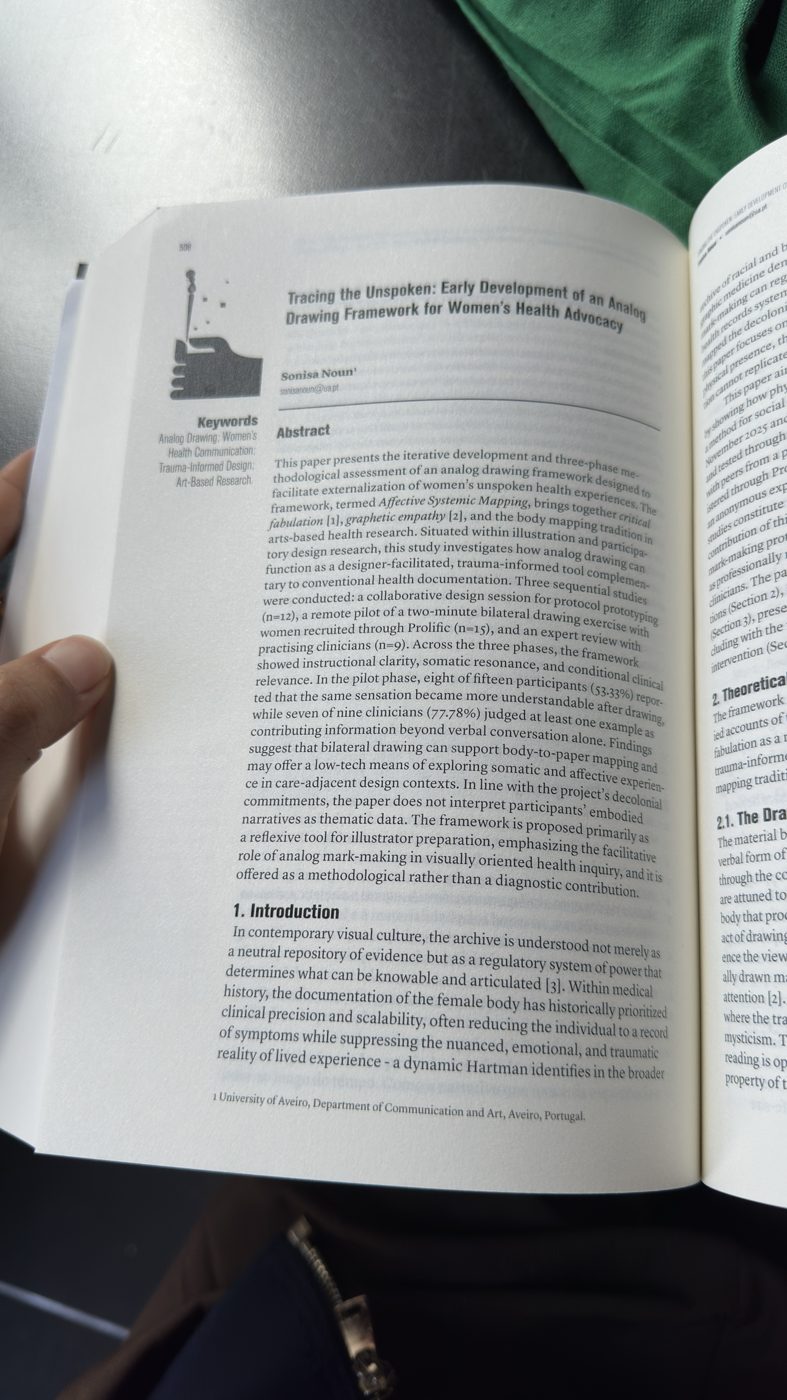
Four stages, as set out in Tracing the Unspoken (CONFIA 2026, pp. 508–517). Framed as a methodological and participant-centred contribution, not a diagnostic or therapeutic tool.
- Body as archiveThe participant's body is treated as the first record: pain, tension and memory that have not reached a file.
- The analog mark as inquiryDrawing by hand, on paper, within a bounded time. The mark is the question, not an illustration of an answer.
- Externalisation as co-witnessingThe drawing is looked at with the maker, by peers or clinicians, rather than interpreted about her.
- Reflexive learningThe maker returns to the drawing and decides what it means and where it goes.
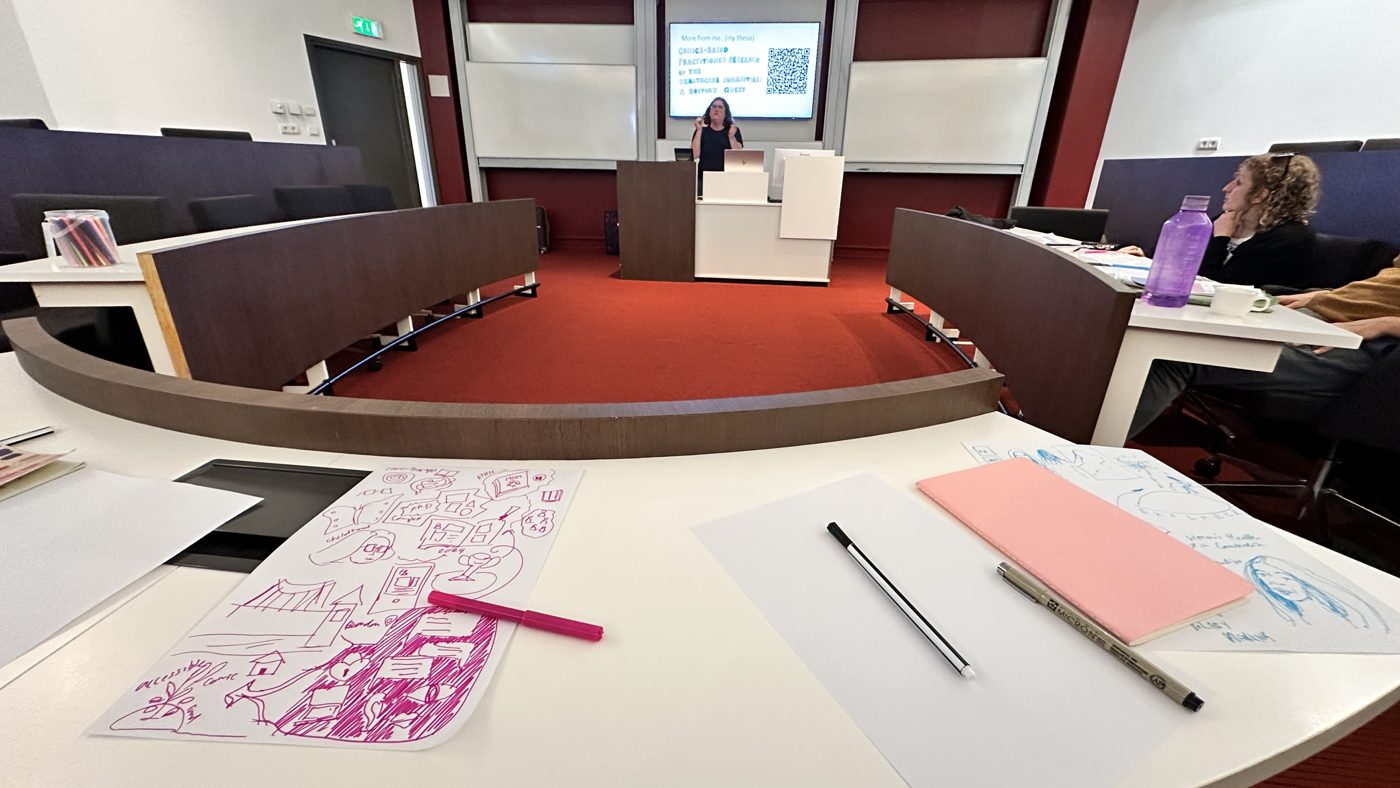
2026
Writing and talks
Peer-reviewed proceedings, presentations and published essays, 2026. The DRIVE poster is co-authored with two academic supervisors; the rest are single-authored.
- 2026 · 10Designing Past Avoidance: Pareidolia as Productive Ambiguity in Male Fertility Communication DesignWith J. Quental and L. Ferreira. DRIVE26: Design Related Investigation, ESMAD, P.PORTO, Book of Posters, p. 71. ISBN 978-989-36738-2-9. Poster presented; online presentation 15 October 2026. Book of postersPoster
- 2026 · 10Remembering as a Form of MeetingVisual essay. Roots Literary Magazine, Issue 1, Birds of a Feather. Roots LiteraryEssay
- 2026 · 10Mapping What Systems Cannot Say: A Methodological Hypothesis for Decolonial Systemic Design in Gender-Based Violence Work in CambodiaProceedings of Relating Systems Thinking and Design, RSD15, Turin. Paper talk online, 9 October 2026. ProceedingsPaper
- 2026 · 09Drawing the Unspoken: Hand-Drawn Testimony as Decolonial Counter-Archiving in Women's Mental HealthInaugural Graphic Medicine Europe Conference, Vrije Universiteit Amsterdam. Presentation and guided-drawing session, 9 September 2026. Abstract: doi:10.5281/zenodo.24045125Talk
- 2026Unravelling the WeightSubmission Track feature with artworks. Riwaq: The Journal, Al-Mujadilah, Qatar.Essay
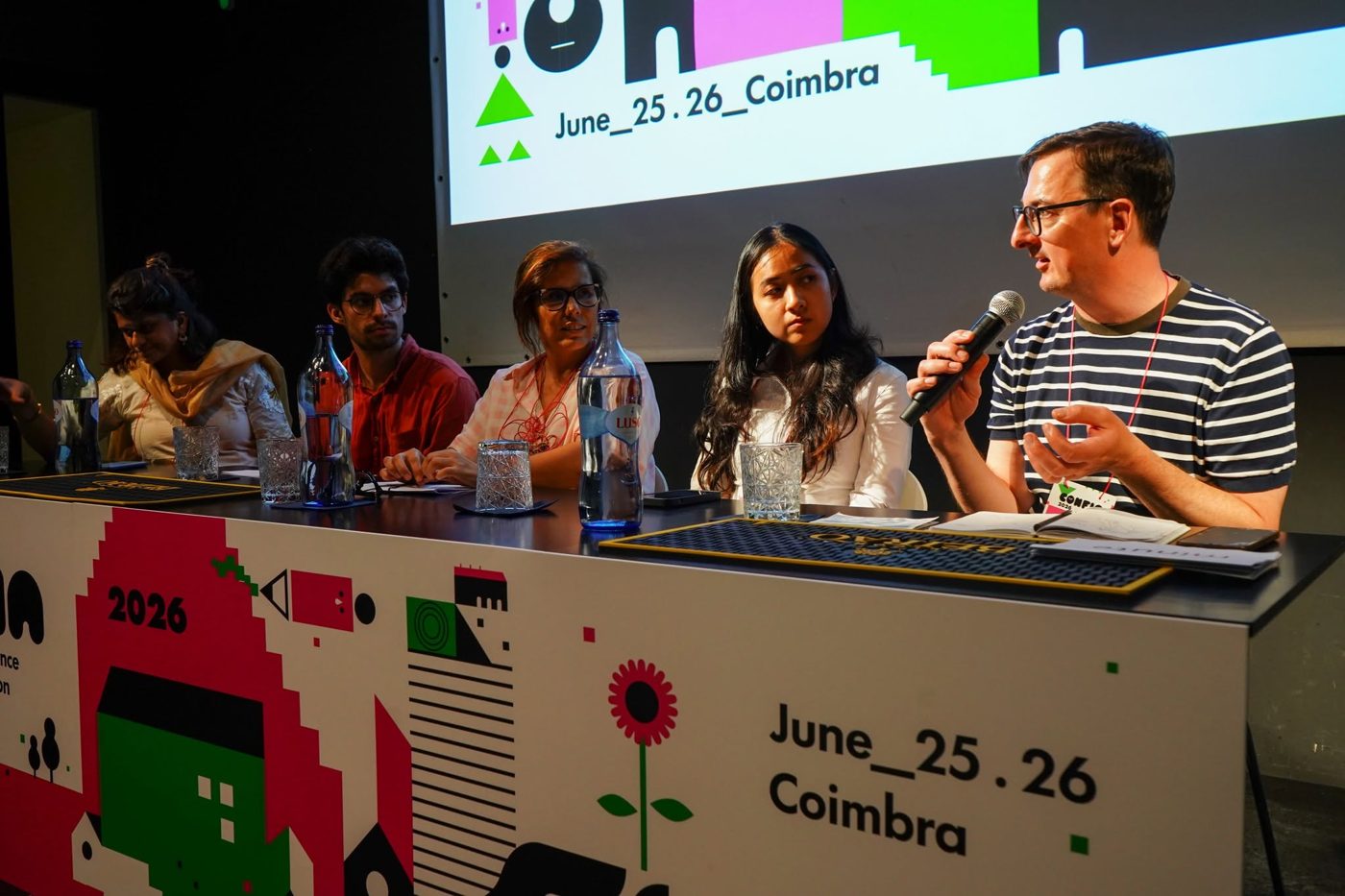
- 2026 · 06Tracing the Unspoken: Early Development of an Analog Drawing Framework for Women's Health AdvocacyProceedings of CONFIA 2026, 13th International Conference on Illustration and Animation, IPCA, pp. 508–517. Presented in Coimbra, 26 June 2026. Chapter · doi:10.48766/2135-j335Paper
- 2026It Takes TwoResearch seminar presentation, University of Aveiro.Seminar
- In reviewWhen the Walls Spoke: An Autoethnography of Hostile Environments in a Youth Training ProgrammeJournal of Autoethnography. Manuscript under peer review.Under review
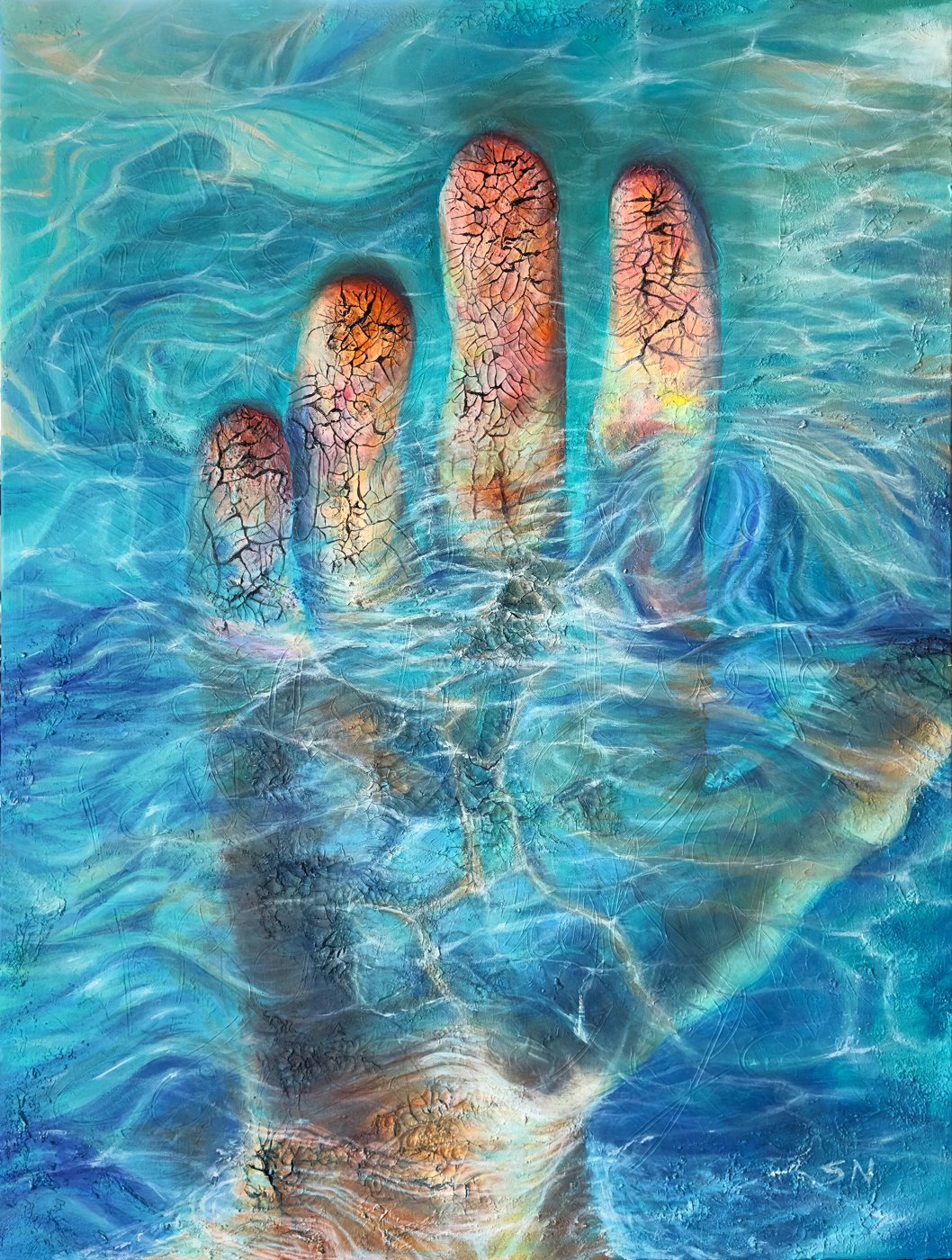
acrylic on canvas, 2024–25
Paintings
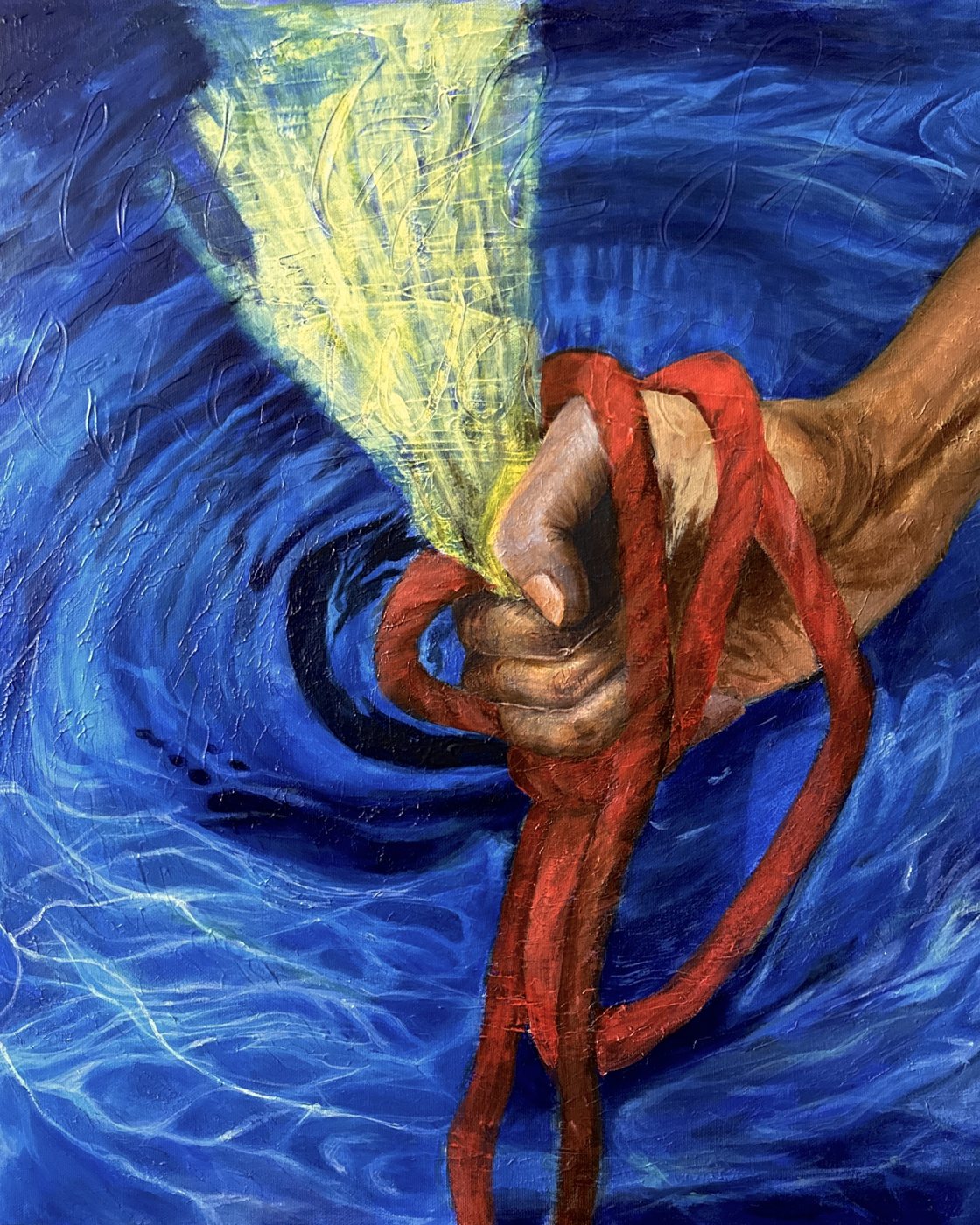
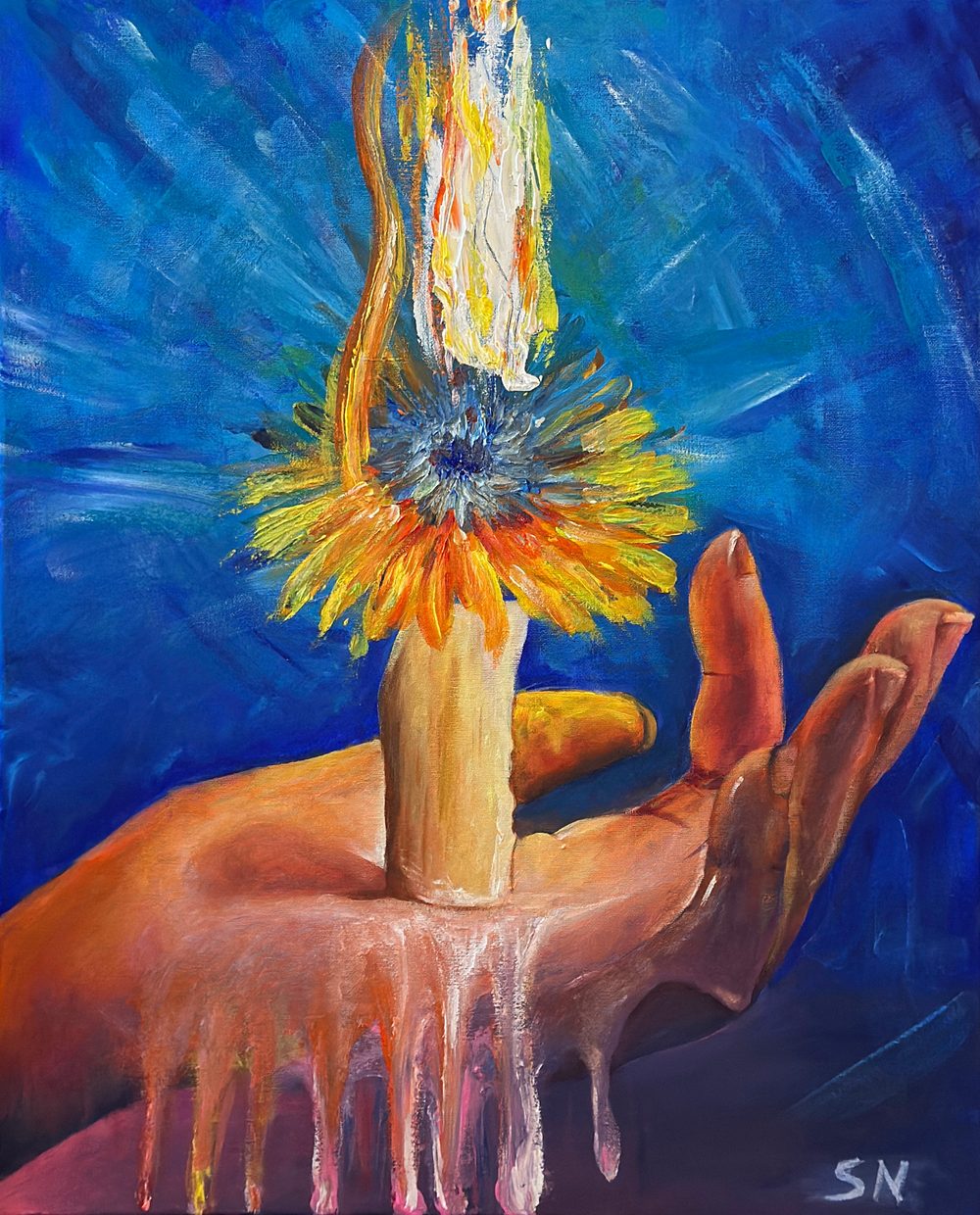
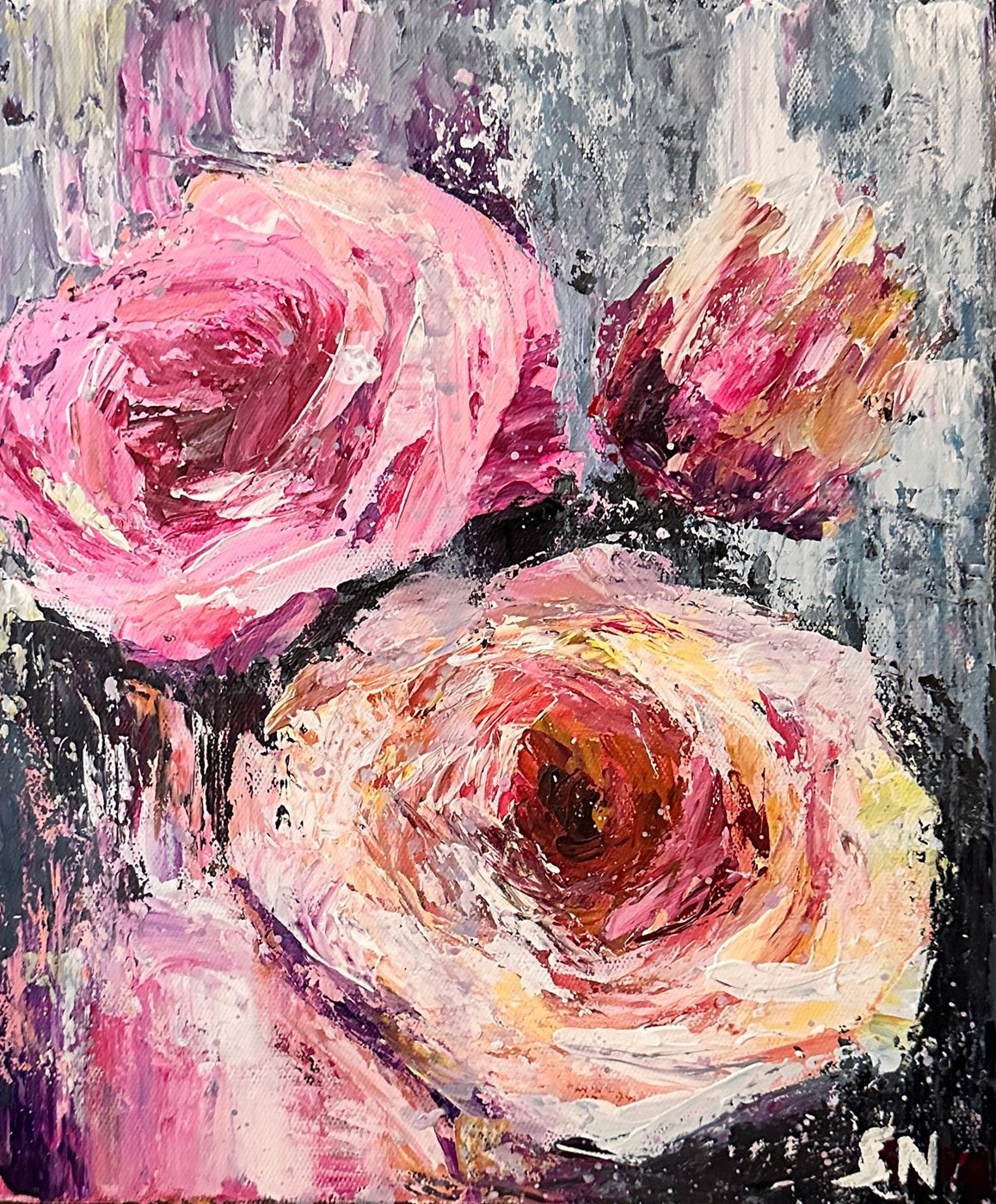
Self-taught painter; acrylic on canvas; hands and flowers as the recurring subjects. Exhibited at the 2nd Ekarieach Multi-Arts Exhibition, Sofitel Phnom Penh Phokeethra, January 2025 (theme: Water); Expo Metro Barcelona, 16–29 June 2025; and Ekarieach All-Stars: Identity, Sofitel Phnom Penh Phokeethra, 17 January to 28 February 2026. Featured panel artist, Phnom Penh Design Festival, October 2024.
Contact
- sonisanoun@gmail.com
- University of Aveiro
- sonisanoun@ua.pt
- Sheffield Hallam University
- sonisa.noun@student.shu.ac.uk
- linkedin.com/in/sonisanoun
- ORCID
- 0009-0005-9599-9236
- Google Scholar
- Profile
- Commercial design portfolio
- sonisanoun.com
open to doctoral opportunities
Arts-based and participatory research for health, care and public life; design for health, visual communication and health literacy. Manuscripts under review are available on request.